
Comparing Window Tinting Laws in Miami and Surrounding Areas


Understanding Window Tinting Regulations
Window tinting is a popular modification for vehicles, offering benefits such as increased privacy, reduced glare, and improved temperature control. However, it's essential to understand the legal restrictions in your area to avoid fines or penalties. This post will compare the window tinting laws in Miami with those in surrounding areas.
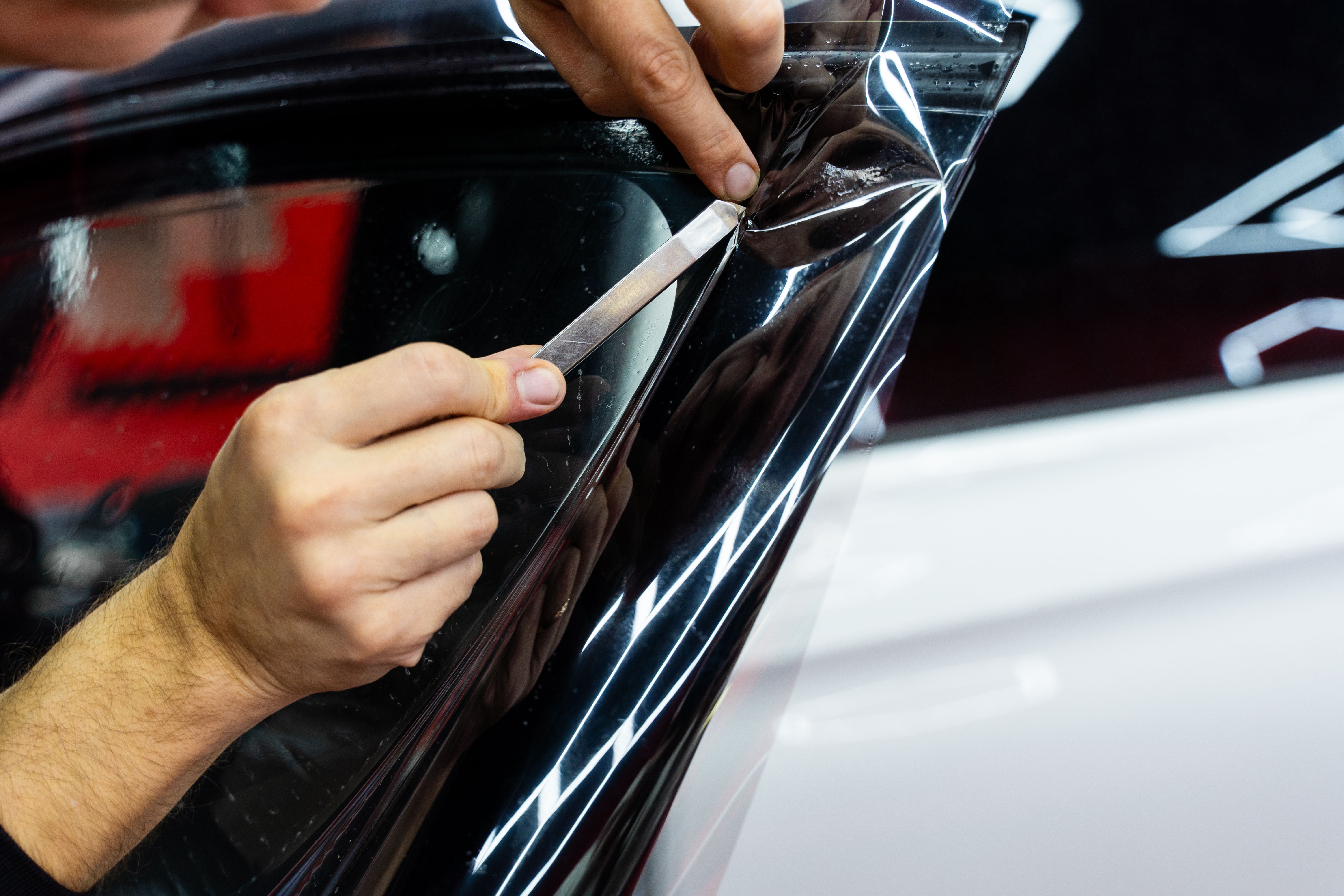
Miami's Window Tinting Laws
In Miami, window tinting laws are specific and must be followed to ensure compliance. For passenger vehicles, the front side windows must allow more than 28% of light in, while the rear side and back windows must allow more than 15% of light. It's crucial to remember that the windshield must have a non-reflective tint above the manufacturer's AS-1 line.
Reflectivity is another factor to consider. In Miami, the front side windows cannot be more than 25% reflective, and the rear side windows must not exceed 35% reflectivity. This helps prevent excessive glare that can be hazardous for other drivers.
Neighboring Areas' Regulations
Moving beyond Miami, surrounding areas may have slightly different requirements. For example, in Broward County, the regulations are similar, but there might be variations in enforcement. It's always wise to check the specific county's regulations before applying tint.

On the other hand, areas like Palm Beach County might have stricter or more lenient rules, especially concerning the reflectivity and permissible tint levels on the windshield. These differences underscore the importance of local research before tinting your vehicle.
Why These Laws Matter
Understanding and adhering to window tinting laws is crucial because it affects road safety. Excessively dark tints can reduce visibility for drivers, especially at night, increasing the risk of accidents. Additionally, non-compliance can result in fines and the need to remove or alter the tint, which can be costly.
Moreover, adhering to these laws helps maintain a uniform standard across the state, ensuring that all drivers have a similar level of visibility and safety. It also prevents the potential for profiling or unwarranted stops by law enforcement.
How to Ensure Compliance
To ensure your vehicle's window tinting is compliant, consider consulting with a professional window tinting service. They are usually well-informed about local laws and can provide guidance specific to your area. Additionally, they can help you choose the right type of tint that offers the benefits you seek without breaking the law.
Finally, always keep documentation of your window tinting service. This can be helpful if you need to prove the legality of your tint to law enforcement or during vehicle inspections.
Conclusion
Window tinting can enhance your driving experience, but it's essential to stay informed about the specific regulations in your area. By understanding the differences between Miami and its surrounding areas, you can make informed decisions and enjoy the benefits of window tinting without legal issues.
Always prioritize safety and legality when considering modifications to your vehicle. This ensures a smoother driving experience and compliance with state regulations.